Google’s Free AI Trap: Why OpenAI and Anthropic Are Scrambling to Justify Their $20 Paywalls
If you are still paying $20 a month for ChatGPT Plus or Claude Pro, it might be time to check your bank statements.
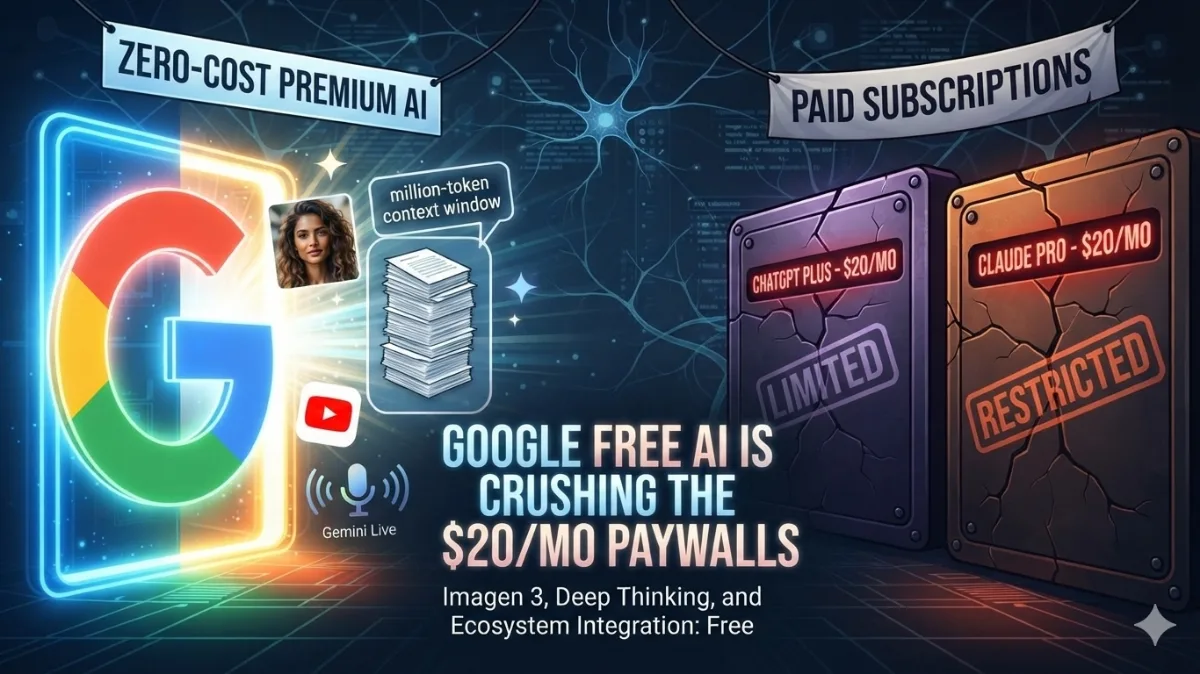
If you are still paying $20 a month for ChatGPT Plus or Claude Pro, it might be time to check your bank statements.
The AI landscape has shifted dramatically. In a massive power move, Google has integrated deep thinking models, advanced image generation, and massive data pipelines directly into its free interfaces. By offering premium tech for zero cost, Google is aggressively outmuscling its venture-backed rivals.
Here is how Google's free AI features are breaking the industry paywalls—and the one hidden catch you need to know about.
1. Advanced Image Generation with Zero Limits
For a long time, high-quality AI art sat behind a paywall. If you wanted top-tier visuals, you either paid OpenAI for DALL-E 3 or subscribed to independent platforms.
Google completely disrupted this framework. By integrating Imagen 3 directly into everyday Google Searches and the standard Gemini app, users can generate high-fidelity, photorealistic images instantly. There are no surprise paywalls or monthly limits blocking your creative workflow.
2. Free Deep Thinking and Extreme Research
When OpenAI released its "o-series" reasoning models, they were highly locked down. Anthropic similarly restricts its smartest models behind tight free-tier limits, often cutting users off after just a few complex queries.
Google responded by deploying advanced reasoning and multi-step research models straight into the free ecosystem. Through tools like Google AI Studio, everyday users get a 1-million-token context window for free. This allows you to drop massive textbooks, hours of audio, or entire codebases into the prompt window—a feature that would easily cost you a premium subscription elsewhere.
3. The Seamless Ecosystem Advantage
Stand-alone AI companies face a major hurdle: they don't own your data or your daily workflow tools. To make ChatGPT or Claude useful, you have to upload files manually or connect messy third-party extensions.
Google’s free AI comes pre-baked into the world's most popular software suite. Out of the box, it seamlessly interacts with:
- Google Docs & Drive for instant summaries and drafts
- Gmail to parse through chaotic email threads
- YouTube to analyze, timestamp, and break down video content
- Gemini Live for real-time, conversational voice control without hourly throttles
The Massive Contrast in "Free Walls"
When you look at the competition, the restrictions on their free versions become incredibly obvious:
- Claude (Anthropic): The free tier remains notoriously restrictive. Drop in one heavy PDF, and you might get blocked from messaging for the next five hours.
- ChatGPT (OpenAI): While everyday text chatting is highly accessible, advanced voice options and heavy image generation are still kept behind premium tiers or interrupted by limitations.
The Catch: What Are You Paying With?
Google isn't running a charity; it's playing a long-term data game. Running these massive models costs millions of dollars every day.
When you use Google’s free AI tier, your data helps train their future models, and anonymous human reviewers may analyze your prompts. If you are a developer handling proprietary code, a business working with confidential financials, or a student protecting private data, you still need a paid enterprise account to guarantee privacy.
The Bottom Line
If your workflow relies on elite, highly nuanced creative writing or terminal-level software engineering, the $20 premium subscriptions from OpenAI and Anthropic are still worth the price.
But for the vast majority of people who need to summarize long documents, generate beautiful images, search the web in real-time, and organize daily tasks, Google’s free AI ecosystem has made the $20/month AI subscription entirely obsolete.
Key Architectural Takeaway: Public, keyless AI infrastructure serves as an agile catalyst during early product discovery—eliminating administrative credentials and allowing engineers to validate features, mock dynamic states, and test responsive UI boundaries with zero friction.

Subscribe to One2Tech Insights
Stay updated with our latest development and tech guides.
More from Software Eng
View all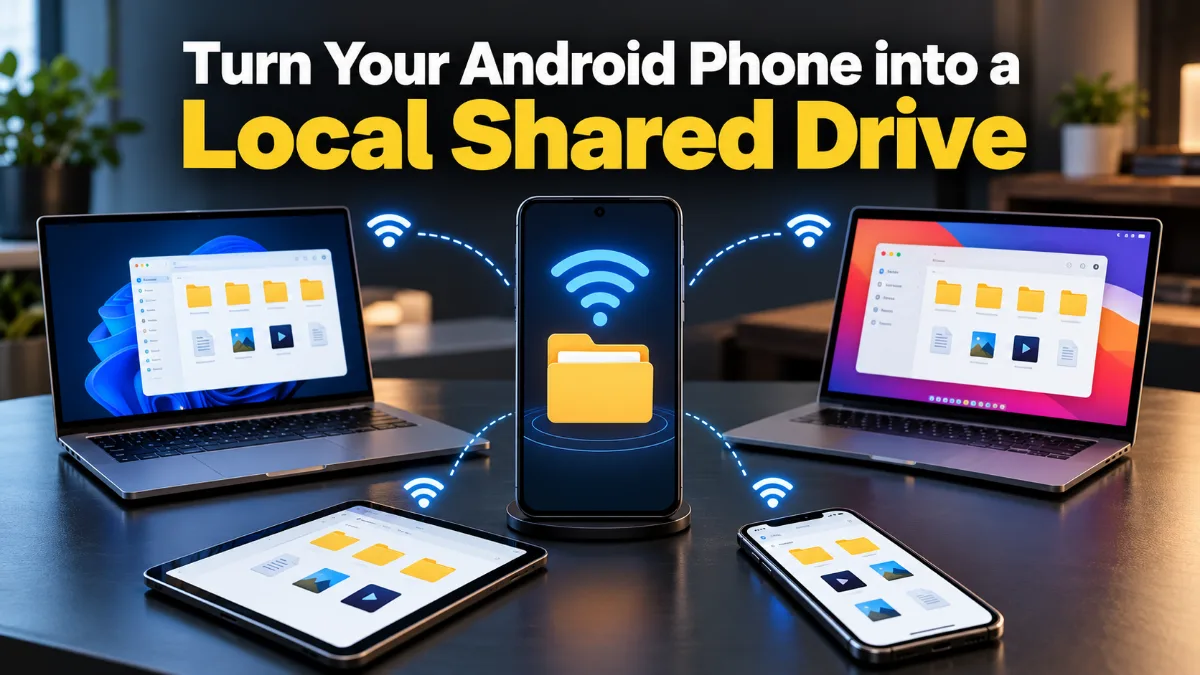
How to Turn Your Android Phone into a Local Shared Drive Using Wi-Fi Hotspot
You can turn your Android phone into a local file-sharing server and access a specific folder from Windows, Mac, or other phones connected to its Wi-Fi hotspot.
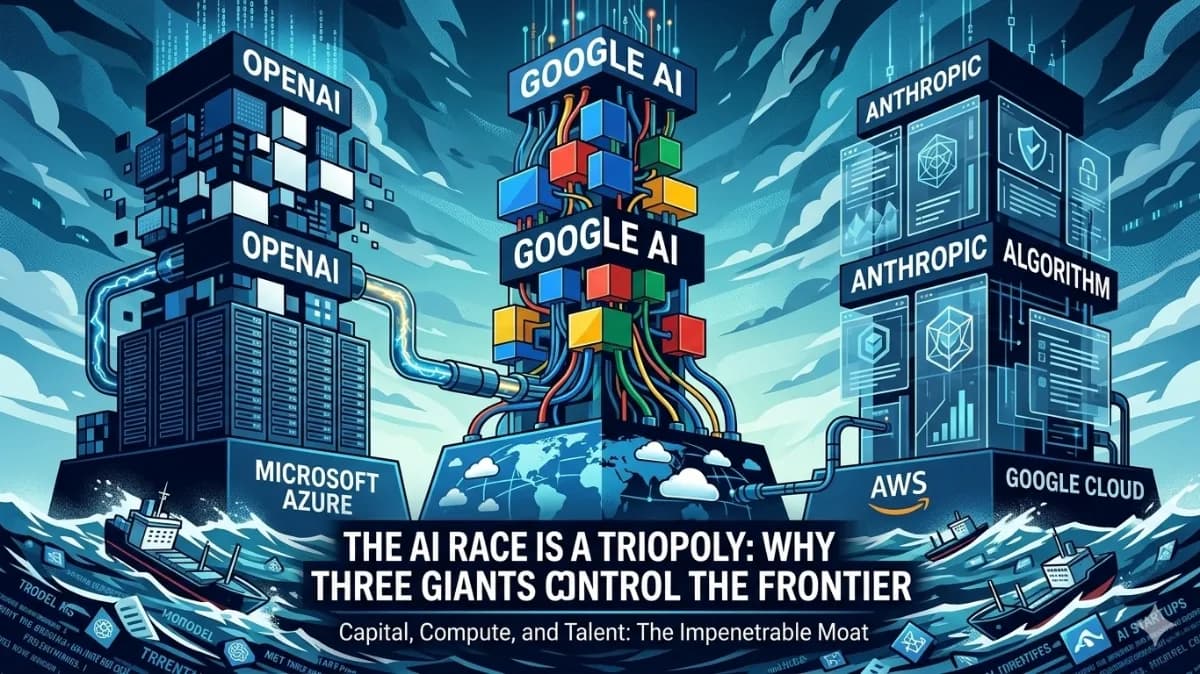
The AI Triopoly: Unpacking the Dominance of Google, OpenAI, and Anthropic
The global AI landscape appears vast, but beneath the surface, a triopoly of Google, OpenAI, and Anthropic controls nearly 90% of frontier AI capabilities. This trio has built an impenetrable moat around the future of technology, making it mathematically improbable for new entrants to break in. In this article, we'll delve into the data-driven breakdown of how these three players established their structural monopoly and why it's so difficult to disrupt.